When I think of gold mine, the American Gold Rush is the first thing that comes to mind—a wild frontier where anyone could dream of striking it rich. With that image in my head, I visited World Heritage Site of the Sado Gold Mine.
But what I found was completely different.
The Sado Gold Mine wasn’t a place where individuals chased their fortunes. For nearly 400 years—from the 17th to the 20th century—it served as a carefully managed national project that supported Japan’s economy.
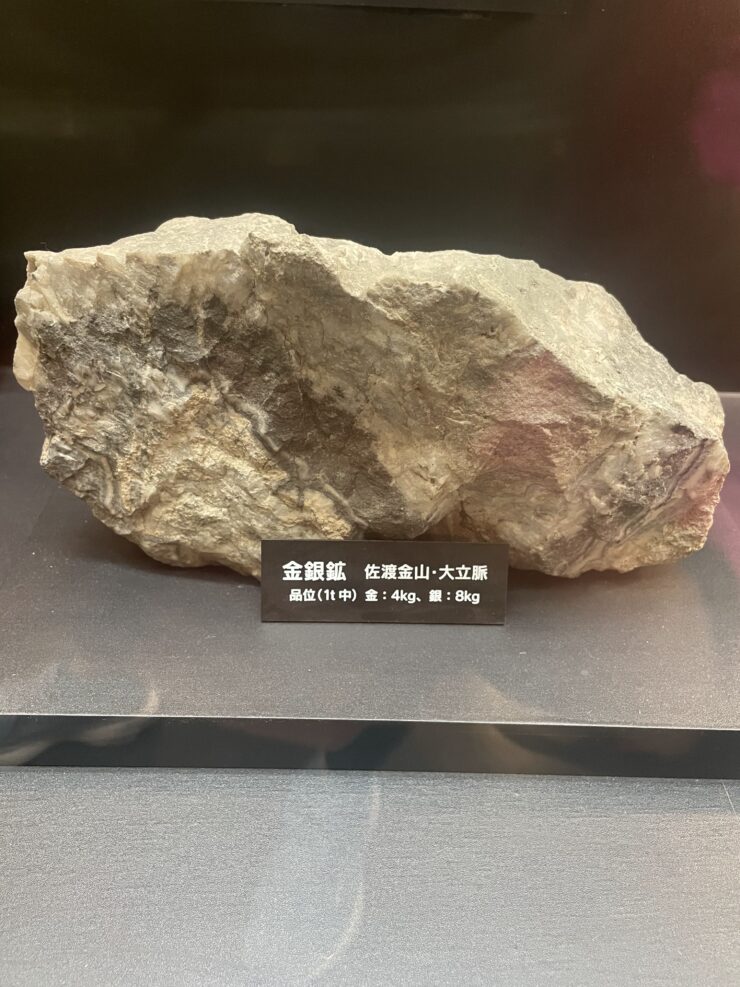
What surprised me most was that only about four kirograms of gold from one ton of rock were extracted. Every tiny piece required tremendous skill, patience, and organization. There was no shortcut to becoming rich overnight.
Then I thought about the California Gold Rush.
In the mid-19th century, ordinary people discovered gold in riverbeds, and hundreds of thousands of people rushed west in search of fortune. If you found it, it was yours. It represented freedom, opportunity, and the hope of changing your life. In America, gold gave individuals the chance to change their own destiny.
The same precious metal created two completely different histories. And perhaps the biggest reason was surprisingly simple: nature.
In California, gold was easy to reach. In Sado, it was hidden deep inside hard rock.
That single difference shaped not only how the gold was mined, but also how people dreamed, how governments acted, and how each society developed.
Standing inside the tunnels of the Sado Gold Mine, I realized that sometimes history is shaped not only by people—but also by the gifts, and the limits, of nature.
佐渡金山、1トンの岩から取れる金はたったの「4kg」!
これを取り出すには、鉱石を砕き精錬する熟練の職人技と、大規模な組織力が必要でした。国家の財政を支えるための、いわば「国家プロジェクト」だったのです。
もし佐渡の金が、川底で、個人が採れるほど豊富だったら、
もしかすると日本にもゴールドラッシュが起きていたかもしれません。
そう考えると、人の歴史や価値観は、自然の力に左右されているのだなと感じました。